35 arrests in Bulgaria in a large art trafficking investigation
- Europe | Published on: 24 May 2025
On 19 November 2025, Bulgarian authorities, with support from Europol, carried out a coordinated operation that dismantled a criminal network involved in the trafficking of cultural goods across Europe. The network allegedly dealt in invaluable antiquities looted from countries throughout the Balkans. The operation, conducted under a Europol operational taskforce framework, involved law enforcement and judicial authorities from Albania, France, Germany, Greece, Italy, and the United Kingdom, with coordination managed from Sofia, Bulgaria, and Eurojust. Investigations into the network are ongoing.
Origins of the investigation
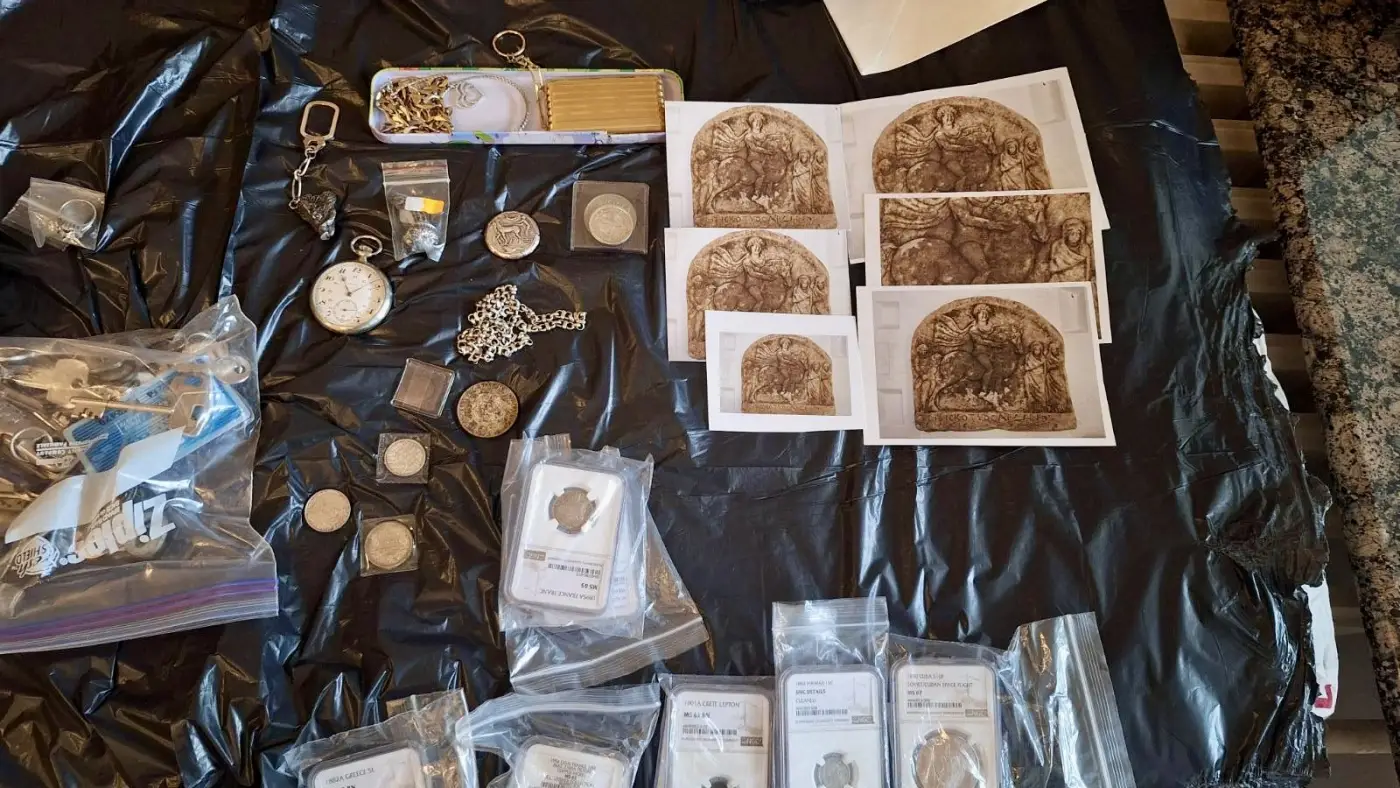
The probe began after a 2020 house raid in Bulgaria, where authorities seized around 7,000 cultural artifacts, primarily Greco-Roman and Thracian antiquities, notable for their rarity and historical significance. Many of the items lacked clear provenance, raising suspicions of illegal acquisition. Since the seizure, the artifacts have been stored at the Bulgarian National History Museum in Sofia while investigations continued.
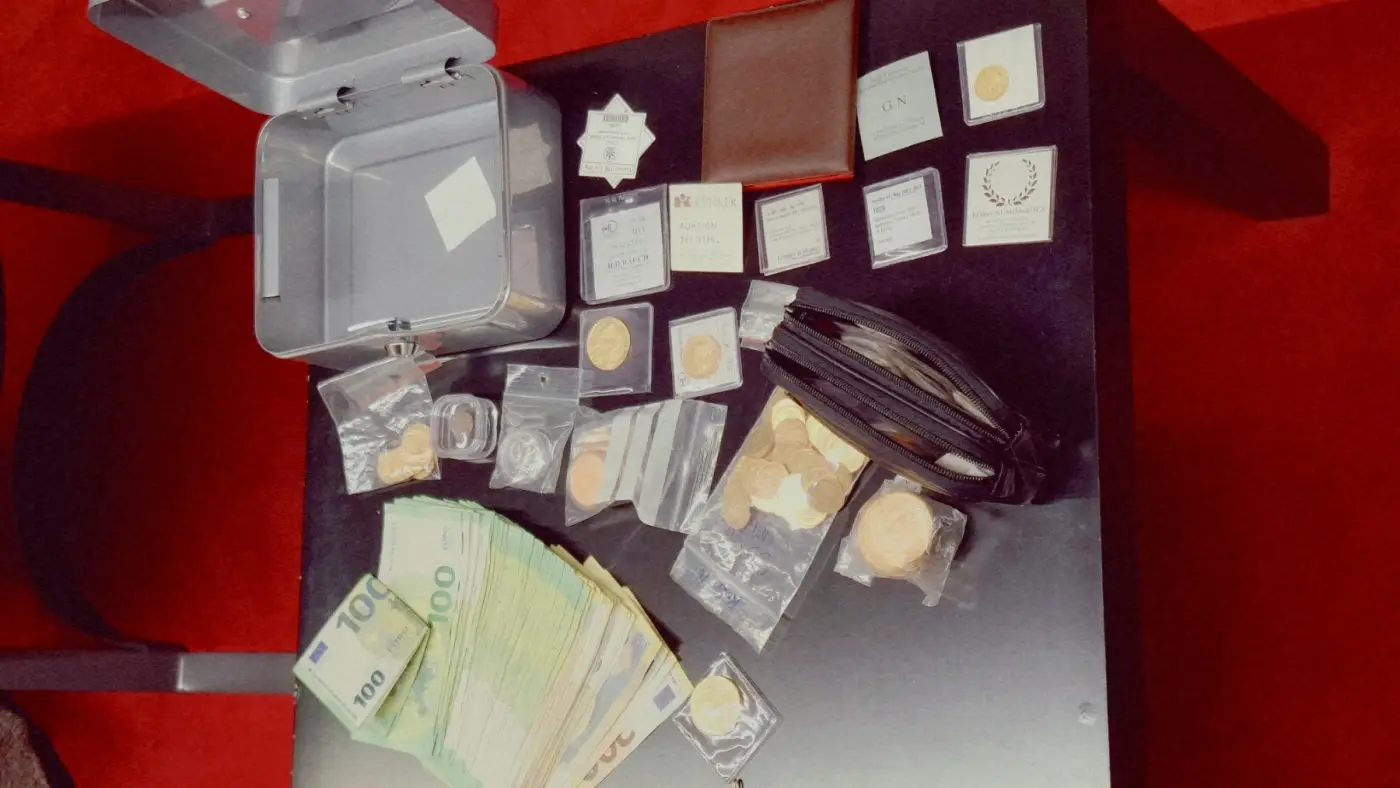
Key results from the 19 November 2025 action day
The main High-Value Target (HVT) is suspected of financing illegal excavations in Bulgaria and neighbouring Balkan countries. Local looters, reportedly working under middlemen for the HVT, were involved in these illicit activities. Many of the recovered artifacts date back to 2000 BC, and most lacked proper provenance, while a few had questionable documentation issued by auction houses and galleries in France, Germany, the UK, and the US.
Europol taskforce supports cross-border coordination
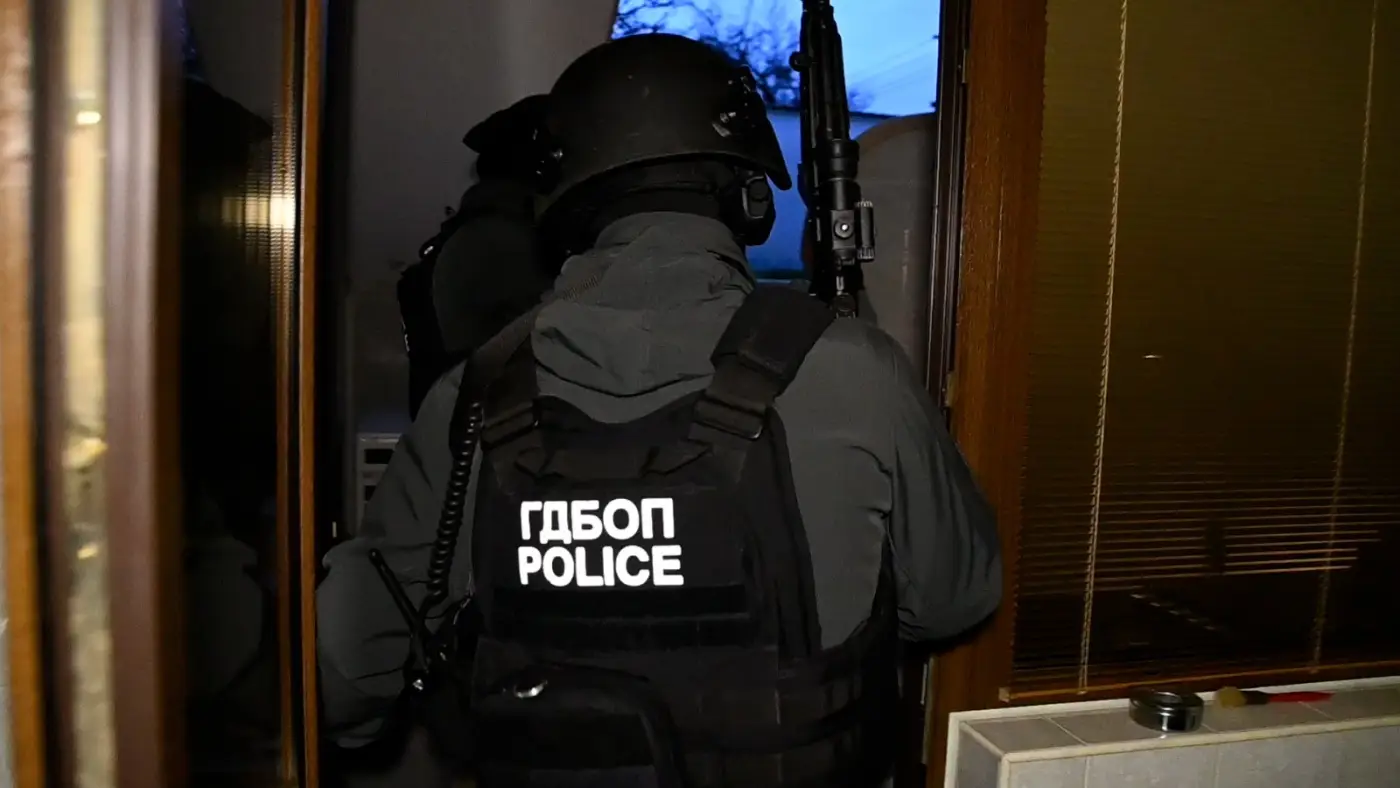
Since June 2024, Bulgarian authorities, in collaboration with Europol, established an operational taskforce to facilitate information sharing, coordination, and analytical support. This effort helped identify links between individuals across different countries and trace other suspected trafficked artifacts. Europol deployed two experts to Sofia during the action day to assist with coordination and provide specialized analytical expertise.
Balkan region - a hotspot for art theft
The Balkans and Italy, with their rich historical heritage, host invaluable Greek and Roman archaeological treasures that have long attracted criminal networks. These networks often operate through local cells conducting looting and theft, laundering stolen artifacts through the international art market. High collector demand and the opaque nature of art transactions make the market particularly vulnerable to exploitation, allowing traffickers to sell and launder looted artifacts, including items from conflict zones such as Syria and Iraq.
The complexity of verifying provenance and enforcing due diligence makes combating illegal excavations challenging. Criminals exploit these gaps, introducing looted cultural objects into the market while evading scrutiny.
Importance of international cooperation
Coordinated efforts between national authorities and international organizations like Europol are essential to detect illegally obtained artifacts, dismantle trafficking networks, and preserve cultural heritage for future generations.