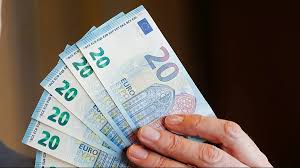
No! Brussels didn't just criminalise cash
- Europe | Published on: 13 Nov 2025
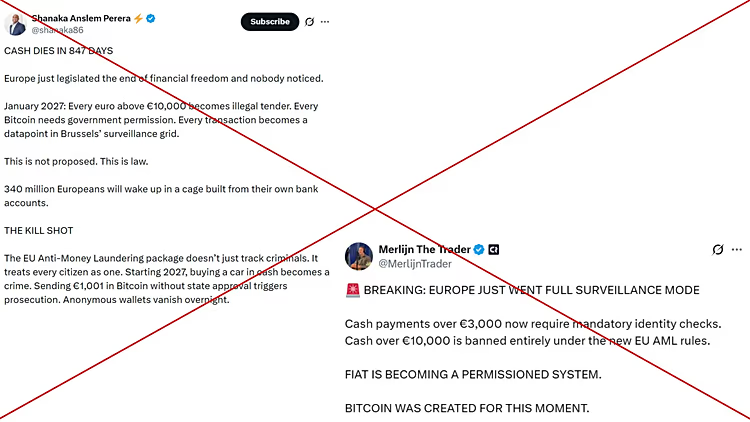
Viral posts online have claimed that the European Union’s new anti-money-laundering rules will soon turn cash into “contraband,” suggesting that any amount above €10,000 will become illegal. One such post, which has drawn more than 2.6 million views, alleges that “every euro above €10,000 will be illegal tender” under upcoming EU law. These claims, however, are misleading.
In reality, the European Union is not banning cash. Instead, it is introducing a uniform cap on how much cash can be used in payments to businesses. This measure forms part of a broader overhaul of anti-money-laundering rules that are scheduled to come into force in 2027.
Under the EU’s Anti-Money Laundering package, cash payments in commercial transactions will be limited to a maximum of €10,000 across the bloc. While businesses will no longer be allowed to accept cash above this threshold, transactions between two private individuals acting in a non-professional capacity are generally exempt from the rule.
Member states will also retain the right to impose stricter limits at national level, meaning countries may continue — or choose — to set lower caps than the EU-wide ceiling.
Is paying cash for a car becoming illegal?
Contrary to viral claims, buying a car with cash will not automatically become a criminal offence. From 2027, the legality of such a transaction will depend on the seller.
For instance, if a car costs more than €10,000 and is purchased from a dealership, the business will not be permitted to accept that amount in cash. The buyer would still be able to complete the purchase through alternatives such as bank transfer or card payment. Private sales between individuals, however, may still be conducted in cash unless national laws impose tighter restrictions.
More broadly, Europeans will remain free to hold, save, and withdraw any amount of cash they choose. Everyday purchases — such as food, drinks, or household items — will be unaffected. Claims that the EU is trying to eliminate cash altogether are therefore inaccurate.
The main impact of the regulation is on large cash payments made to businesses, which will be capped at €10,000. Private cash transactions between individuals will generally remain legal, unless a specific country already enforces lower limits, as is the case in some EU states like Italy.
Why is the EU introducing this rule?
The Anti-Money Laundering package aims to strengthen cooperation between EU countries and close gaps that criminals exploit. Until now, cash limits have varied widely across the bloc — Italy, for example, sets the limit at €5,000, while Austria has no upper limit at all.
By harmonising the threshold at €10,000, the EU hopes to push more high-value transactions into traceable payment methods, making it harder to conceal illicit activity. According to the European Commission, aligning national rules helps remove loopholes that fraudsters and money launderers currently take advantage of.
Money laundering remains a significant global issue. The United Nations Office on Drugs and Crime estimates that between 2% and 5% of global GDP — up to €1.87 trillion — is laundered every year. A 2023 study found that nearly 70% of criminal networks operating in the EU rely on money laundering, with cash being their most commonly used tool due to its difficulty to trace.
What happens next?
The new rules are due to take effect in July 2027. Alongside the cash payment cap, the package includes the creation of a new EU Anti-Money Laundering Authority based in Frankfurt, which will gain full powers at the same time.
Banks, businesses, and regulators will have a three-year transition period to adjust their systems and ensure compliance. While much of the online backlash has been exaggerated, the reforms have still sparked debate. Some experts question whether limiting cash payments will significantly curb crime, arguing that criminals may simply shift to alternatives such as cryptocurrencies or cross-border transfers.
Others warn that the success of the policy will depend on consistent enforcement across all member states — something that could prove challenging.
Sensational claims about the disappearance of cash in Europe are not new. Similar misinformation has circulated in the past, including false reports that Spain was withdrawing €50 banknotes and misleading narratives suggesting that Norway and Sweden were abandoning digital payments altogether. In each case, authorities later clarified that such claims were untrue.