From CLICK to CRIME: Tackling Intellectual Property Crime in the Digital Era
- Europe | Published on: 08 May 2025
The growing prevalence of online intellectual property (IP) crime poses serious risks to consumers, businesses, and the broader economy, affecting everything from pharmaceuticals and alcohol to digital content. The resulting losses go beyond financial harm, impacting safety, trust, and creativity.
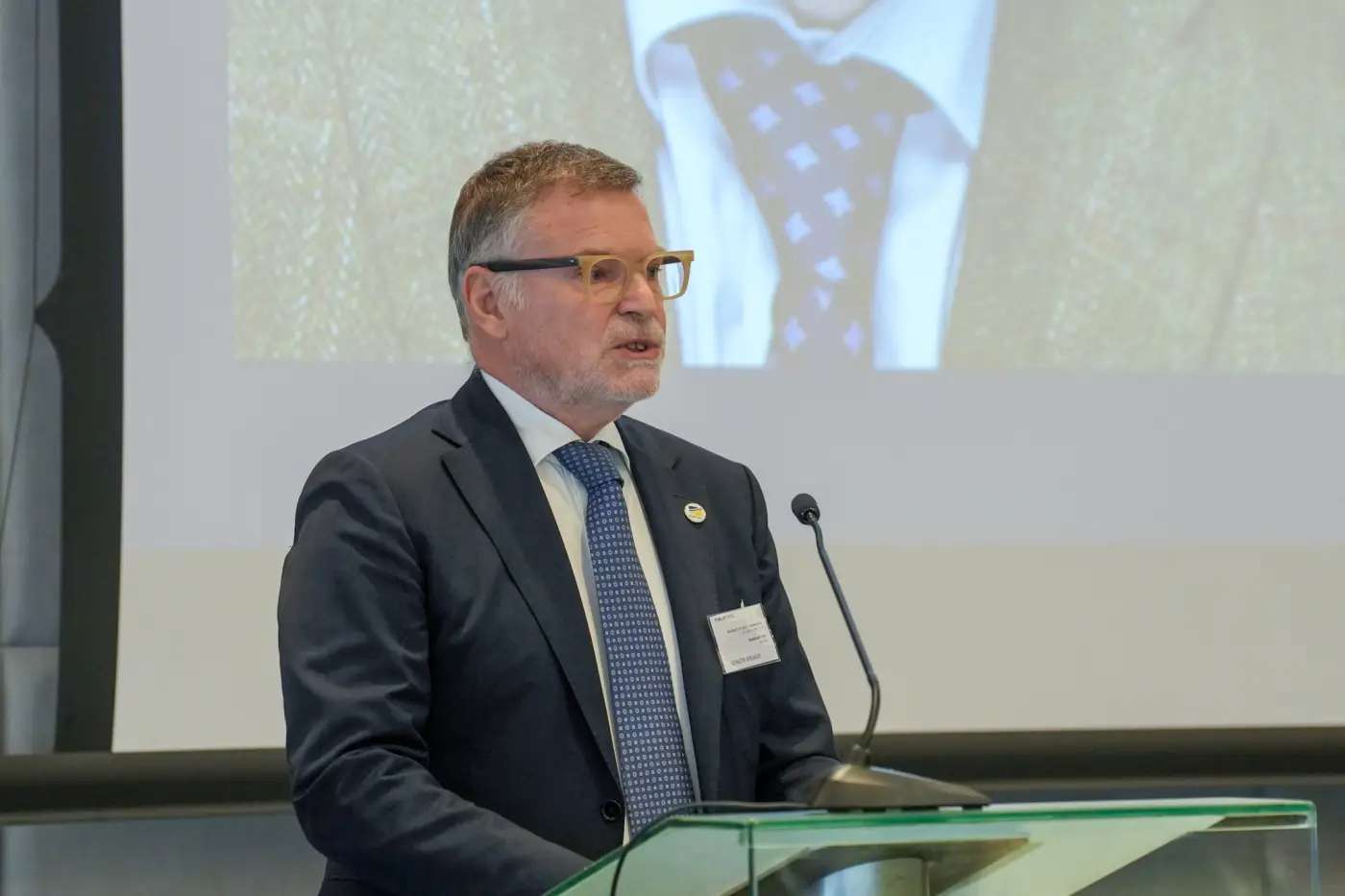
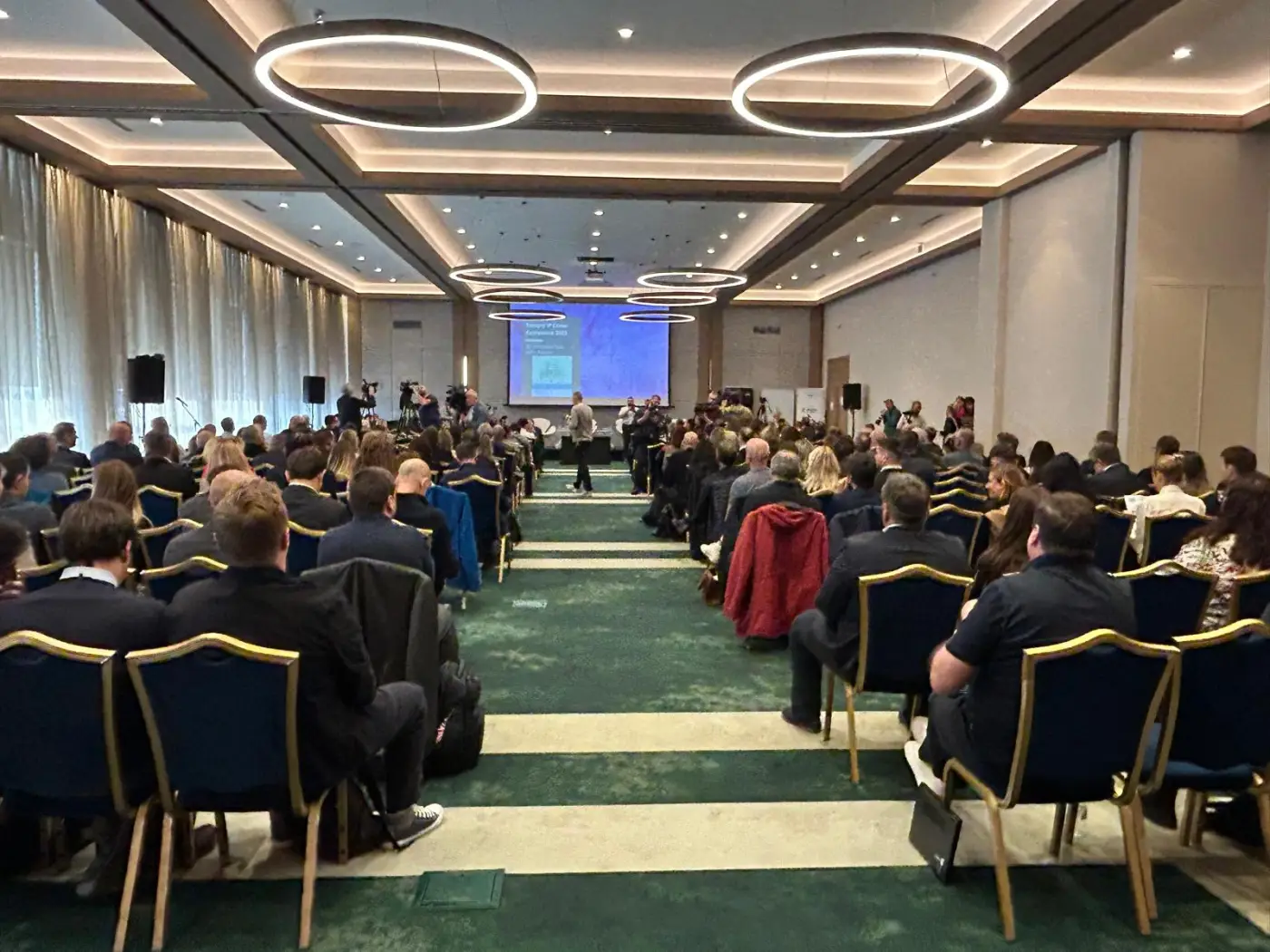
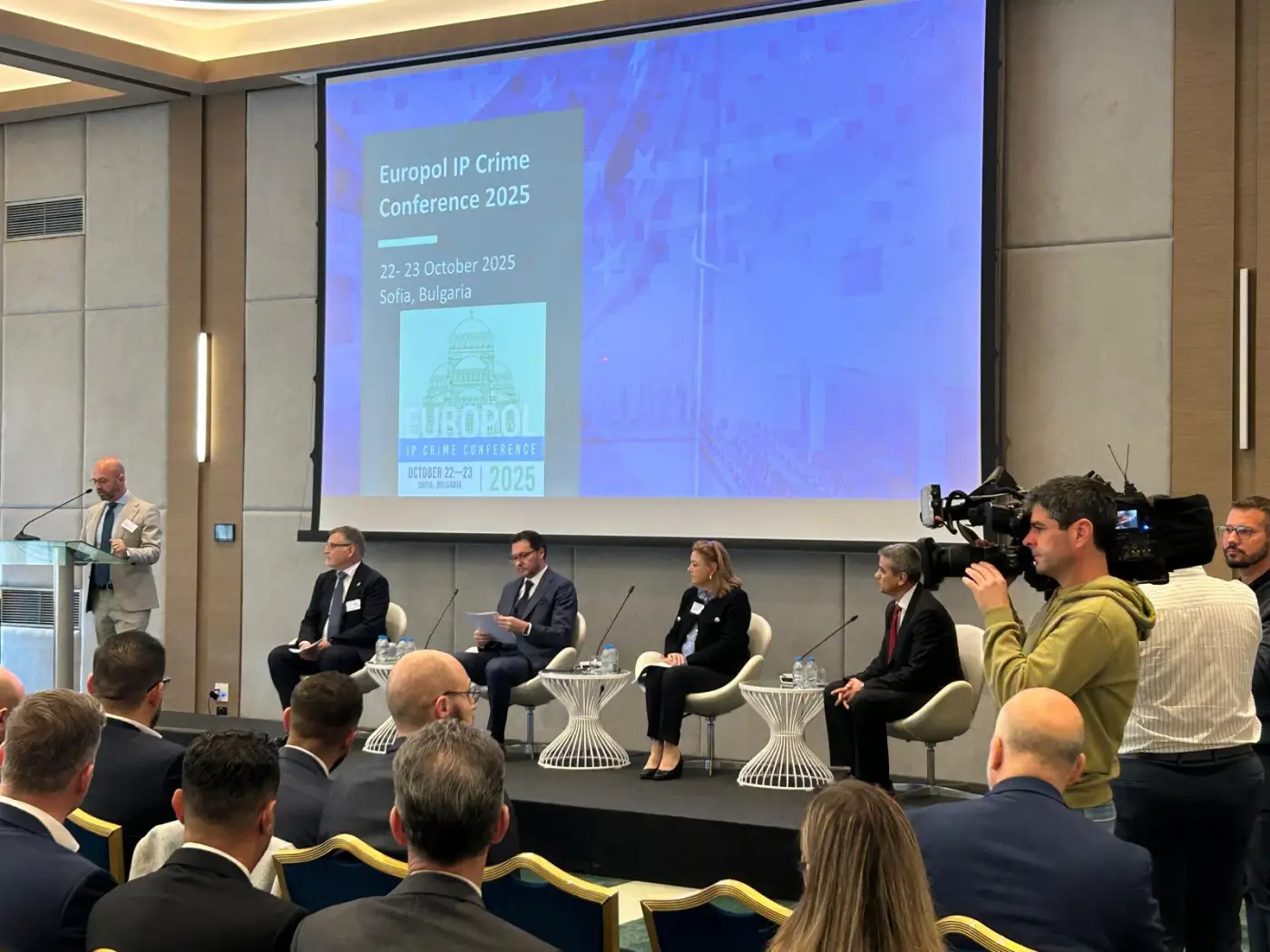
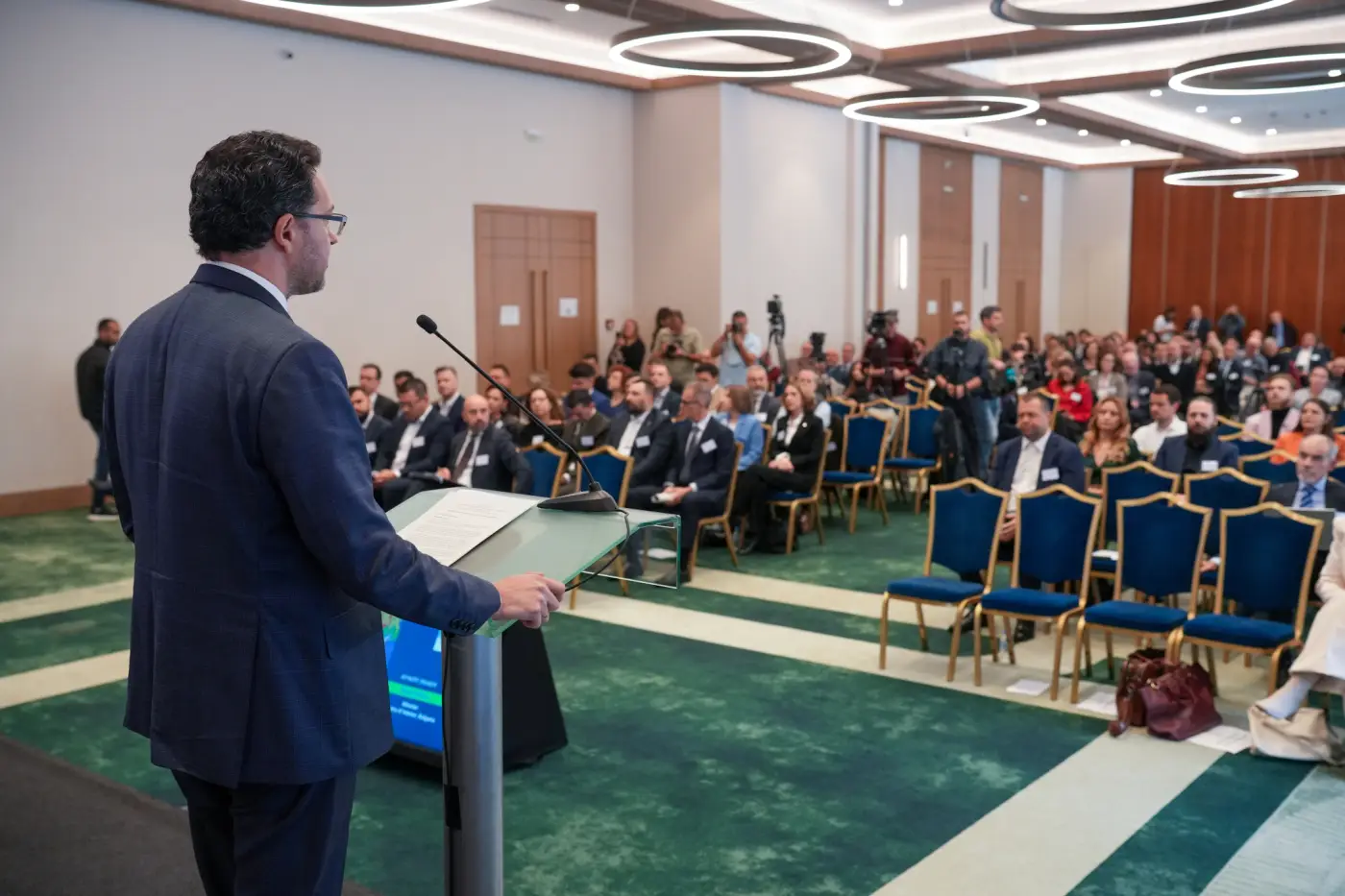
The “From CLICK to CRIME: Investigating Intellectual Property Crime in the Digital Age” conference was held on 22–23 October 2025 in Sofia, Bulgaria, jointly organised by Europol, the European Union Intellectual Property Office (EUIPO), and Bulgaria’s General Directorate Combating Organised Crime (GDBOP). The event emphasised the critical need for collaboration among law enforcement, policymakers, and industry experts to address the challenges posed by online IP crime and to protect consumers while safeguarding innovation.
Key threats in the digital IP crime landscape
Illegal streaming and sharing platforms deplete revenue from the cinema, music, publishing, and software industries, while also exposing viewers—including children—to unregulated or unsafe content.
Fake pharmaceuticals, supplements, and doping products sold online or via social media often originate from clandestine labs with no quality control, presenting serious health risks to users.
Counterfeit toys, perfumes, and cosmetics are widely circulated online, offering low-cost goods at the expense of consumer safety.
These operations are frequently run by organised criminal networks that treat IP crime as a highly profitable business. Such networks exploit global supply chains, digital platforms, and shell companies to increase profits. The substantial revenues from piracy and counterfeiting often support broader criminal activities, highlighting the importance of financial investigations and asset recovery in disrupting these operations.
Conference outcomes and focus areas
Participants shared insights on current threats and emphasised the importance of international cooperation in combating IP crime. Discussions included:
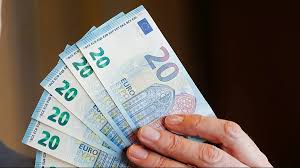
The conference also noted that the high demand for cheap goods, amplified by the cost-of-living crisis and low consumer awareness, continues to fuel the counterfeit market. According to the EU Serious and Organised Crime Threat Assessment 2025 (EU-SOCTA), the shift to digital commerce has accelerated the move away from physical retail, with social commerce becoming a major channel for counterfeiters to reach and manipulate consumers.
Strengthening coordinated responses
To combat online and offline IP crime, Europol and the EUIPO established the Intellectual Property Crime Coordinated Coalition (IPC3) in 2016. The Sofia conference marks the sixth such event co-organised by these agencies with national authorities, aiming to enhance knowledge, promote best practices, and reinforce a coordinated public-private response to intellectual property crime in Europe.
The event reaffirmed that tackling IP crime in the digital age requires a holistic, cross-border approach, combining enforcement, policy, industry collaboration, and consumer awareness to disrupt criminal networks and protect both economic and public interests.