MEPs approve new anti-money laundering rules – but what do they cover?
- Europe | Published on: 24 Apr 2024
Members of the European Parliament have overwhelmingly approved a major overhaul of the EU’s anti-money-laundering (AML) framework, introducing tighter controls on cash payments, cryptocurrency transactions, football finances, and other high-risk sectors.
In a decisive vote of 482 in favour to 47 against, EU lawmakers endorsed legislation that establishes a long-awaited EU-level anti-money-laundering authority. The vote, held during Parliament’s final plenary session before the June elections, also paves the way for a bloc-wide ban on large cash payments in professional transactions.
The reforms are part of a broader effort to restore trust in Europe’s financial system after a string of high-profile scandals. EU Financial Services Commissioner Mairead McGuinness said the changes were essential, stressing that illicit funds fuel serious crimes and that improving the existing system was no longer optional.
Support for the package cut across party lines. French Green MEP Damien Carême, one of the lead negotiators, told colleagues that criminals and terrorists exploit weaknesses in EU legislation, making decisive action unavoidable.
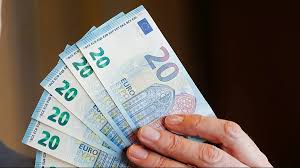
A key provision limits the use of cash in professional transactions. Traders and businesses will no longer be allowed to accept or make cash payments exceeding €10,000, reflecting concerns that large, untraceable sums can facilitate financial crime.
Some lawmakers criticised the move as an erosion of personal financial freedom. German Pirate Party MEP Patrick Breyer warned against what he described as gradual financial exclusion, calling on lawmakers to protect both cash and digital currencies.
One of the most contentious aspects of the package was deciding where to locate the new AML authority. After an unprecedented 12-hour public hearing, Frankfurt was selected over rival bids from Paris, Rome, Madrid, Vienna, Riga, Vilnius, Brussels, and Dublin.
The agency is expected to employ around 400 staff and will directly supervise AML compliance at 40 of the EU’s largest financial institutions, marking a significant shift toward centralised oversight.
Existing EU money-laundering rules already apply to banks and major financial institutions, requiring them to identify customers and report suspicious transactions. The new framework significantly expands this scope.
High-risk sectors such as art dealers, jewellery traders, and luxury yacht sellers will now be fully covered. The rules will also extend to cryptocurrency service providers, reflecting lawmakers’ concerns that digital assets like Bitcoin can be exploited for anonymous illicit payments.
At Parliament’s insistence, the legislation also applies to top-tier football clubs and agents, an industry long criticised for opaque transfers and questionable financial flows.
For the first time, the core AML rules will be set out in an EU regulation rather than fragmented national laws. This means more consistent application across member states, reducing loopholes that criminals can exploit and easing cross-border compliance for legitimate businesses.
A separate AML directive, approved alongside the regulation, clarifies how journalists and civil society groups can investigate complex ownership structures used to conceal wealth. This follows a 2022 EU court ruling that limited access to beneficial ownership registers on privacy grounds.
EU officials hope the new rulebook will help repair Europe’s reputation as a destination for illicit funds. Several member states have faced scrutiny from the Financial Action Task Force, with countries such as Croatia and Bulgaria currently on its “grey list,” and Malta only recently removed.
The reforms also respond to past scandals involving banks like Danske Bank, Latvia’s ABLV, and Malta’s Pilatus Bank. Danske Bank alone admitted that roughly €200 billion was laundered through its Estonian branch between 2007 and 2015, leading to multi-billion-euro fines in 2022.
Enforcing sanctions against Russia over its war in Ukraine has added urgency, amid fears that wealthy oligarchs could exploit opaque financial structures to bypass restrictions.
Although the legislation has now been approved by Parliament, implementation will take time. After final endorsement by EU governments, most provisions will enter into force three years later.
There are exceptions: rules covering the football sector will have a five-year transition period, while the new AML authority could begin preparatory work as early as later this year. The regulation formally establishing the agency is due to take effect in July 2025, marking a major step toward stronger, more unified financial crime controls across the EU.