Why is Cyprus seeing Russian bank deposits plunge?
- Europe | Published on: 24 Jan 2024
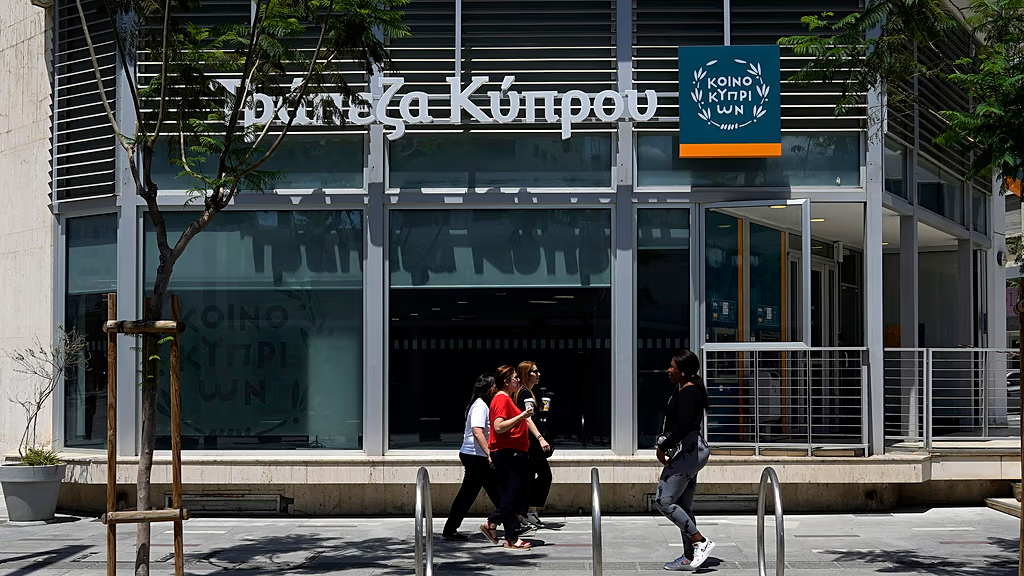
Cyprus is steadily reducing its dependence on Russian money as part of a broader effort to repair its financial reputation, according to official data. The shift comes as the government intensifies scrutiny of potential sanctions evasion, with support from visiting United States officials who are assisting local authorities in reviewing suspected cases of wrongdoing.
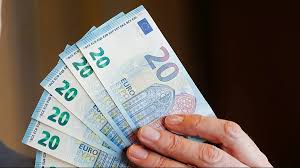
Figures show that deposits held by Russian nationals in Cypriot banks dropped by 76% between 2014 and 2022, while deposits linked to Ukrainian nationals declined by 67% over the same period. The number of Russian customers using Cypriot banking services fell even more sharply — down 82% — while Ukrainian clients decreased by 54%.
For decades, the Mediterranean island earned a reputation as a jurisdiction with minimal oversight, attracting wealthy foreign clients — particularly Russian oligarchs — whose funds were sometimes suspected of having questionable origins. That image began to change after the 2013 financial crisis, which pushed Cyprus to the edge of insolvency and forced a reassessment of its banking practices.
Since taking office in March last year, Cypriot President Nikos Christodoulides has pledged stricter enforcement of sanctions related to Russia’s war in Ukraine. He has repeatedly stated that Cyprus intends to align itself firmly with international law and the European response to the conflict, describing the country’s stance as “being on the right side of history.”
Data also show that Cypriot banks cut ties with nearly 60,000 customers, mostly Russians and Ukrainians, between 2014 and 2022. In addition, about 126,000 bank accounts were suspended during that period, representing roughly €40 billion in frozen or restricted funds.
Local media reports suggest that several large Russian-owned companies registered in Cyprus have relocated their headquarters abroad due to increased regulatory scrutiny, although authorities have not confirmed how many firms have left or which sectors were most affected.
Speaking after addressing the Council of Europe Parliamentary Assembly, Christodoulides said Cyprus has fully implemented all European Union sanctions against Russia. He challenged critics to review EU reports detailing which member states have failed to apply the measures in full.
The president also acknowledged past failures, including longstanding allegations of money laundering and a now-defunct citizenship-by-investment scheme that unlawfully granted passports to Russians and other foreign nationals. He said the consequences of those mistakes were ultimately borne by the Cypriot state and its people.
At the same time, Cyprus has stepped up cooperation with US authorities. Experts from the Federal Bureau of Investigation and the Department of Justice are currently assisting Cypriot investigators in probing so-called “enablers” — lawyers and accountants suspected of helping sanctioned individuals conceal assets.
Government spokesperson Constantinos Letymbiotis said inviting US specialists reflects stronger international collaboration on sanctions enforcement and efforts to target those who helped Russian oligarchs hide wealth.
Despite the outflow of Russian funds, Letymbiotis said Cyprus is attracting new international business. In 2022, more than 1,600 foreign companies — mainly in the technology sector — registered in the country, including 47 multinational firms. Together, these companies generated 36,854 direct and indirect jobs, an increase of 42% compared with 2021, helping to offset losses linked to departing Russian capital.